
When it comes to growing healthy, thriving plants, the type of soil you use can make all the difference. Whether you're into soil-based gardening, hydroponics, or growing microgreens, choosing the right soil is critical to ensure that your plants get the nutrients and support they need to flourish.
There are several soil types, and each supports different plant types better. Here are the most common types of soil used for plant growth:
Loamy Soil: Loam is often considered the best all-purpose soil. It’s a balanced mixture of sand, silt, and clay, which gives it great drainage properties while retaining moisture. This type of soil is perfect for most garden plants like vegetables, herbs, and flowers.
Clay Soil: While clay soil is rich in nutrients, it tends to drain poorly and can become compacted. To improve clay soil, consider adding organic matter or compost to break up the clumps and promote better airflow for plant roots.
Sandy Soil: This soil type drains quickly but doesn't retain nutrients as well as loamy or clay soils. It's good for plants that don't need much water but can be tricky to maintain. Adding organic materials can improve its structure.
Peat-based Soil: This type of soil is often used for acid-loving plants. It's known for being light and airy, which is great for plants that prefer a more acidic environment.
Hydroponic Growing Media: For those into hydroponics, using a soil substitute like coconut coir, perlite, or vermiculite may be necessary. These mediums provide support to the plant roots while allowing them to absorb nutrients directly from a liquid solution.
The soil you choose depends largely on the type of plants you're growing and the environment they thrive in. For example, plants like succulents do best in sandy, well-draining soil, while plants like tomatoes thrive in rich, loamy soil.
If you’re growing microgreens, an Adjustable Basket Microgreen Planting Kit is a great tool. This kit is designed to make growing small plants easy, providing perfect support for seedlings and helping optimize soil usage.
The most important thing when selecting soil is ensuring it has the right nutrients. Organic soils, or those enriched with compost and other organic materials, will provide a steady source of nutrients to support healthy plant growth. As plants grow, their nutrient requirements change, so it's essential to periodically amend the soil with fertilizers or compost.
If you're growing hydroponic plants, however, nutrients are typically added directly to the water, as hydroponic systems do not rely on soil. Choosing the right hydroponic system can make a significant difference. Our Adjustable Basket Microgreen Planting Kit is a perfect match for hydroponic gardening enthusiasts looking to optimize their plant production.
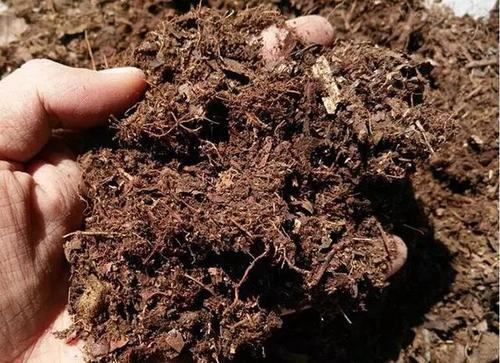
The pH of the soil is also a critical factor. Some plants prefer acidic soil, while others thrive in alkaline conditions. Testing your soil’s pH regularly will help ensure that it stays in the optimal range for the plants you're growing. For example, blueberries prefer acidic soil, while lavender grows best in slightly alkaline conditions.
If you're into microgreens or small-scale indoor gardening, you’ll want soil that is fine and light, so the roots can easily expand. The Adjustable Basket Microgreen Planting Kit is designed for this very purpose—providing the best environment for your microgreens to grow without excess moisture or soil compaction.
Choosing the right soil can significantly improve the health of your plants, whether you're gardening outdoors or indoors. From loamy soil for your vegetable garden to specialized hydroponic systems for growing plants in water, there's no one-size-fits-all solution. But with the right soil, you'll set your plants up for success. If you're interested in growing microgreens or looking for an easy-to-use planting kit, explore our Adjustable Basket Microgreen Planting Kit at EDKFARM.


