Red-eared slider turtles are among the most popular pet turtles due to their friendly nature and vibrant appearance. However, like all reptiles, they are susceptible to certain health issues. Recognizing common diseases, their causes, and symptoms is essential for keeping your turtle healthy. In this blog, we’ll explore the most frequent illnesses in red-eared sliders and provide tips to prevent them effectively.
1. Shell Rot (Ulcerative Shell Disease)
- Cause: Bacterial or fungal infection, often due to prolonged exposure to dirty water, injuries, or inadequate basking.
- Symptoms:
- Soft spots or pitting on the shell.
- Discolored areas (white, yellow, or brown patches).
- Foul odor from infected areas.
- Prevention:
- Maintain clean water in the tank by using a high-quality filtration system.
- Ensure the turtle has a proper basking area with sufficient UVB lighting to keep the shell dry.
- Avoid overcrowding and handle turtles gently to prevent shell injuries.
2. Respiratory Infections
- Cause: Poor water quality, low temperatures, and vitamin A deficiency.
- Symptoms:
- Wheezing, mucus around the nose or mouth.
- Lethargy and difficulty swimming.
- Loss of appetite.
- Prevention:
- Maintain appropriate water and basking temperatures (75–85°F for water, 85–95°F for basking).
- Use a UVB light source to aid in vitamin D3 synthesis and immune support.
- Feed a balanced diet that includes leafy greens, pellets, and occasional protein.
3. Metabolic Bone Disease (MBD)
- Cause: Calcium and vitamin D3 deficiency due to lack of UVB light or improper diet.
- Symptoms:
- Soft, deformed shell (pyramiding).
- Swollen limbs and difficulty moving.
- Lethargy and weak bones.
- Prevention:
- Provide a UVB light source for at least 10–12 hours daily.
- Feed calcium-rich foods such as cuttlebone, dark leafy greens, and fortified turtle pellets.
- Use calcium supplements if needed, especially for growing turtles.
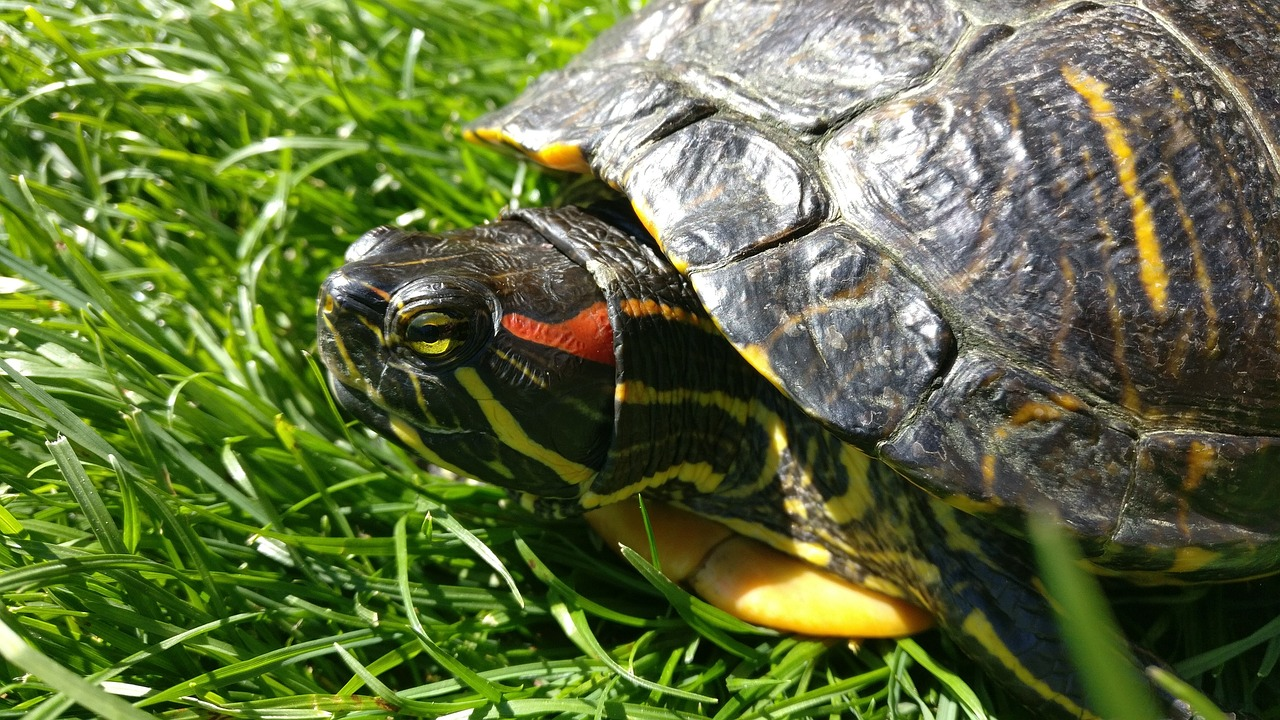
4. Eye Infections (Swollen Eyes)
- Cause: Poor water quality, lack of vitamin A, or bacterial infections.
- Symptoms:
- Swollen or closed eyes.
- Redness or discharge around the eyes.
- Reduced activity and feeding.
- Prevention:
- Keep the water clean and filtered, changing it regularly.
- Ensure a balanced diet with vitamin A-rich foods like carrots, sweet potatoes, and squash.
- Avoid chlorinated water and provide dechlorinated, safe water for the turtle.
5. Parasites and Skin Infections
- Cause: Contaminated water, overcrowding, or improper tank hygiene.
- Symptoms:
- White spots or fuzzy growths on the skin or shell.
- Excessive scratching or rubbing against tank surfaces.
- Weight loss or lethargy.
- Prevention:
- Regularly clean the tank and monitor water quality parameters (pH, ammonia, nitrate levels).
- Quarantine new turtles before introducing them to an existing tank.
- Avoid overcrowding and provide sufficient space for each turtle.
General Tips for Turtle Disease Prevention
-
Maintain Clean Water:
- Use a powerful filter and perform regular water changes.
- Monitor water temperature, pH, and clarity consistently.
-
Provide Proper Lighting:
- Use UVB lighting to ensure your turtle gets the vitamin D3 it needs for healthy bones and a strong immune system.
-
Feed a Balanced Diet:
- Incorporate leafy greens, commercial turtle pellets, and occasional protein sources like insects or fish.
- Supplement calcium and vitamin A when necessary.
-
Create a Healthy Habitat:
- Offer a spacious tank with clean water, a dry basking area, and proper heat.
- Avoid overcrowding and maintain optimal humidity.
-
Regular Health Checks:
- Observe your turtle’s behavior, shell, and eyes daily for any changes.
- Consult a reptile veterinarian if you notice unusual symptoms or suspect illness.
Conclusion
Understanding the common diseases that affect red-eared slider turtles is key to maintaining their health and happiness. By providing a clean environment, proper lighting, and a nutritious diet, you can prevent most health problems. Remember, a healthy turtle is an active and vibrant one!
For more tips on red-eared slider care and premium turtle-friendly products, check out our offerings here.


