
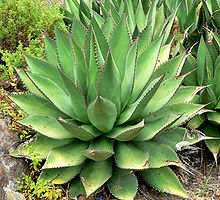
Agave plants, renowned for their striking rosette shape and adaptability, are a favorite among gardeners and succulent enthusiasts. However, one of the most intriguing aspects of these plants is their flowering process, which can take years or even decades. In this blog, we’ll explore the timeline for agave blooming, discuss whether propagation is possible before flowering, and provide actionable tips for successful agave propagation.
Agave plants are often called “millennium plants” due to their slow growth and rare blooming. However, they typically bloom once in their lifetime—a process known as monocarpic flowering. Depending on the species, an agave plant can take anywhere from 10 to 30 years to produce its towering flower stalk.
The blooming process is influenced by several factors:
Species: Some agave species, like Agave americana, bloom after 20+ years, while others, such as Agave desmettiana, may flower in as little as 10 years.
Environmental Conditions: Ideal sunlight, temperature, and soil conditions can hasten blooming.
Care Practices: Regular watering and proper fertilization play a role, but over-caring can delay flowering.
Yes, agave plants can be propagated well before flowering, and in fact, propagation is a common practice for agave enthusiasts. Here are the main methods of propagation:
Most agave species produce offsets, commonly called pups, at their base. These are miniature replicas of the parent plant and can be easily separated for propagation.
Steps:
Wait until the offset has developed its own roots.
Gently dig around the base to expose the pup.
Use a sharp, sterilized knife to separate it from the parent plant.
Allow the cut surface to dry and callus for a few days to prevent rot.
Plant the pup in well-draining soil and water sparingly.
While agave seeds are an option, this method is less common due to the time required for plants to mature.
Steps:
Collect seeds from a mature agave that has bloomed.
Sow the seeds in a tray filled with a cactus mix or sandy soil.
Mist the soil to keep it slightly moist and place the tray in a warm, bright location.
Germination can take several weeks to months.
Certain agave species produce bulbils—small plantlets—on the flower stalk. These can be harvested and planted.
Steps:
Once the flower stalk starts producing bulbils, wait until they reach a few inches in size.
Gently twist or cut them from the stalk.
Allow them to callus before planting in a well-draining medium.
Use Sterilized Tools: Always use clean, sharp tools to prevent infections.
Ensure Proper Soil Drainage: Agaves thrive in sandy or rocky soils that prevent waterlogging.
Moderate Watering: Water sparingly after planting until roots are established.
Provide Adequate Sunlight: Place propagated plants in a location with indirect bright light.
Monitor for Pests: Keep an eye out for pests like mealybugs or scale insects, especially on young plants.
While the journey from seed to bloom can span decades, agave plants reward patience with a spectacular flowering display. For those who can’t wait, propagation offers a quicker way to expand your agave collection. By understanding the lifecycle and propagation methods, you can enjoy the beauty of these desert plants in your garden for years to come.
FAQs
Q: How can I tell if my agave is about to flower? A: Before flowering, agave plants often exhibit rapid growth and may produce a central stalk that elongates dramatically within weeks.
Q: What happens to an agave plant after it flowers? A: Most agave species die after flowering. However, offsets or pups ensure the plant’s legacy continues.
Q: Can I speed up the flowering process? A: While you can’t significantly speed up flowering, providing optimal care can help your plant thrive and reach maturity more quickly.
Ready to grow your agave collection? Start propagating today and enjoy the wonders of this remarkable plant!


