Basil is a superstar herb for home gardeners. Whether it’s lending its aroma to your kitchen or its fresh flavor to your meals, basil is incredibly rewarding to grow.
Keep your kitchen stocked with fresh herbs and vegetable grown right on your 3010 planter box system!Today, I’ll guide you through growing basil at home using the 3010 planter box system, a three-layer garden stand that makes urban gardening a breeze.
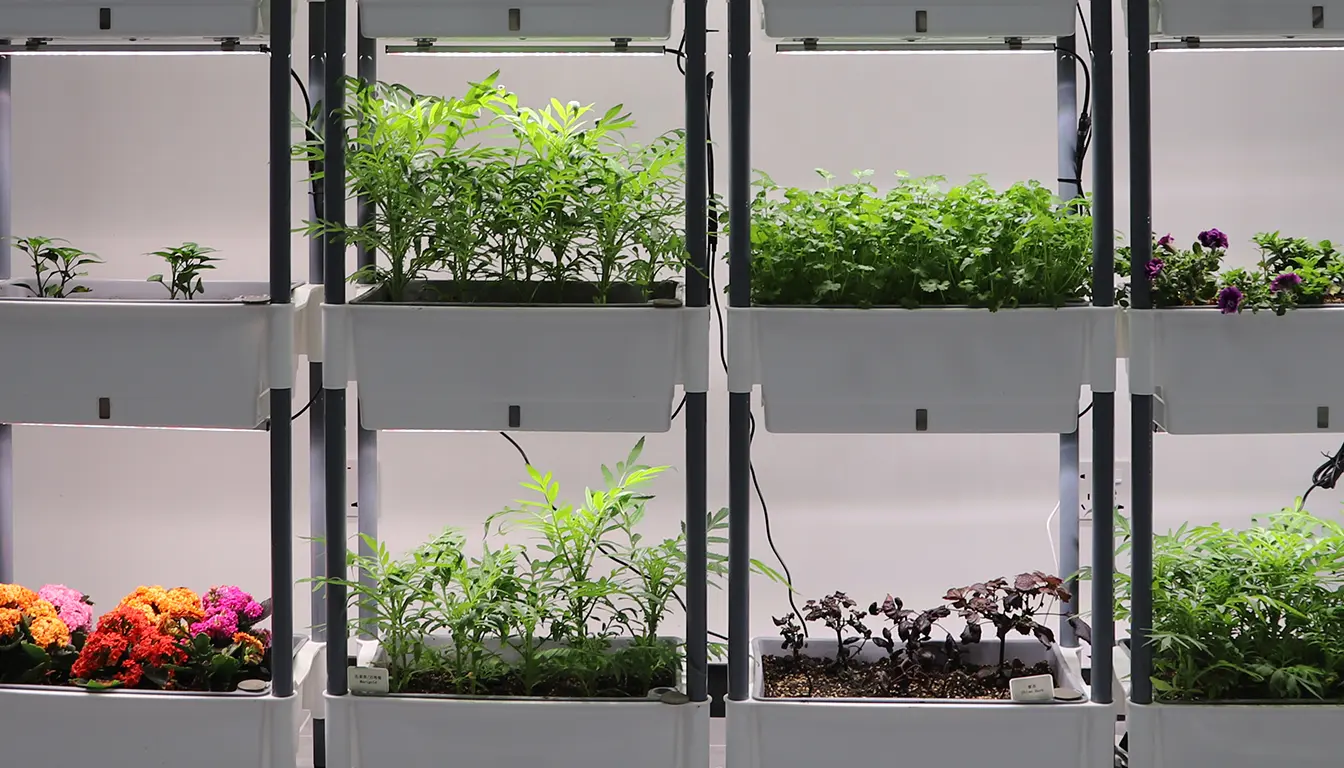
Shop for 3010 planter box system
Why the 3010 Planter Box System?
This system isn’t just space-efficient; it’s a game-changer for nurturing herbs and veggies like basil, thanks to its full-spectrum grow light (mimicking natural sunlight) and an innovative self-watering feature. It’s perfect for beginners or seasoned gardeners who want fresh herbs year-round.
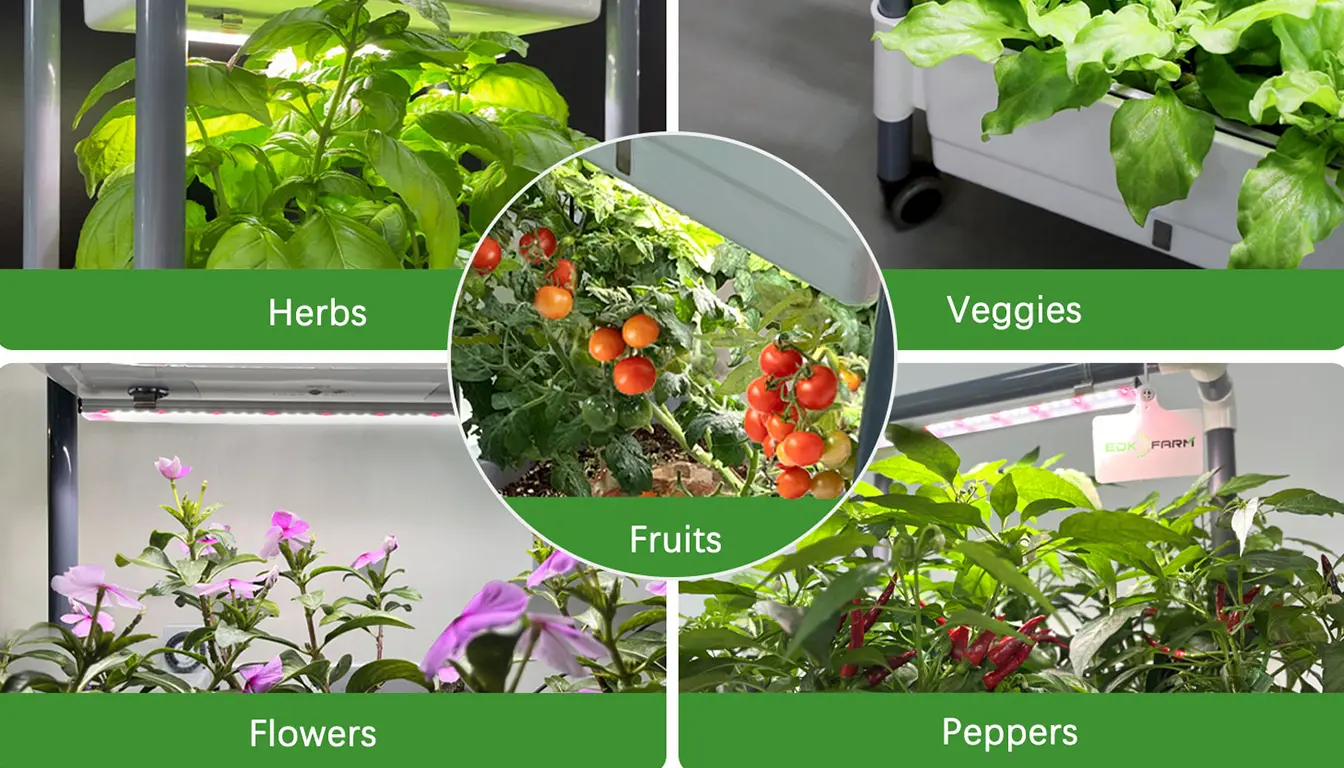
How to Grow Basil Indoor?
🌿Step 1: Preparing Your Setup
Before diving in, here’s what you need:
- Seeds: Basil seeds are small but mighty!
- Soil mix: Use a blend of coconut coir bricks, perlite, sheep manure fertilizer, and crushed eggshells. This mixture ensures good aeration and nutrient-rich soil for your basil to thrive.
Assemble your 3010 planter box system (it’s super easy!) and ensure you have the transparent water-level window in view for monitoring water levels.
🌿Step 2: Seedling Stage
-
Sowing seeds:
- Moisten the soil and sow the basil seeds evenly.
- Cover lightly with a thin layer of soil—basil seeds don’t like being buried too deep!
-
Water and light:
- Place the planter in a spot with optimal air circulation, with the grow light set to 16 hours a day. The 660nm red light helps stimulate faster growth during this stage.
- Maintain temperatures between 15-25°C.
-
Seedling timeline:
In about two weeks, you’ll see tiny sprouts pop up. Thin them out to avoid overcrowding, leaving six plants per pot with about 8-10 cm spacing.
Step 3: Transplanting
After two weeks, the seedlings are ready for transplanting:
- Prepare the soil: Slightly moisten it to make transplanting easier.
- Dig holes: Use your fingers or a small trowel to dig holes 5-8 cm deep.
- Replant: Gently remove each seedling with its soil ball intact and place it into the hole. Press the soil firmly around the roots to secure the plant.
- Water thoroughly: Ensure the roots have full contact with their new soil.
🌿Step 4: Care and Maintenance
-
Watering:
- Check soil moisture daily. If it feels dry 3-4 cm deep, it’s time to water.
- Pour water into the soil or the reservoir below, keeping it below the MAX mark. Avoid getting water on the leaves, as this can lead to fungal issues.
-
Lighting:
- Keep the grow lights on for 16 hours daily during the growth stage. The full-spectrum light ensures healthy foliage, while the red spectrum encourages rapid growth and high yields.
-
Fertilizing:
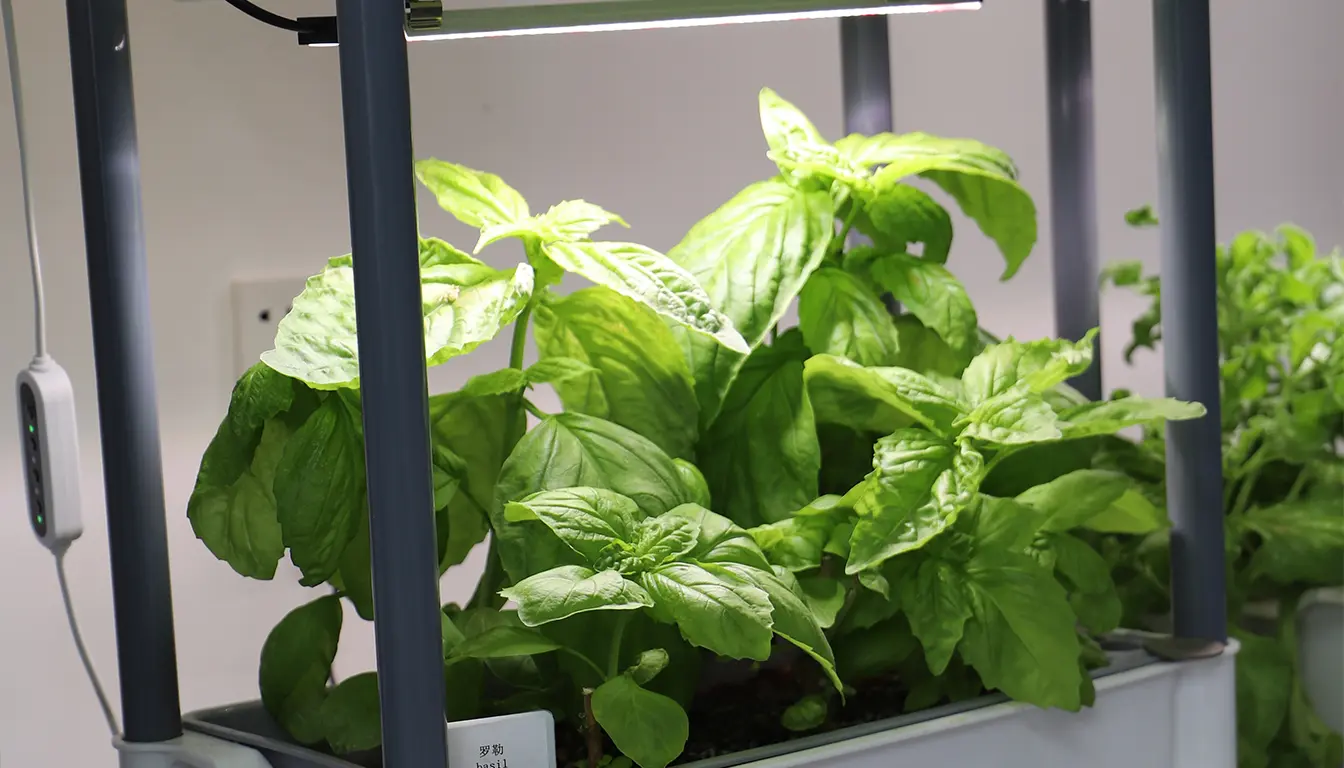
🥗Bonus: Culinary Uses for Fresh Basil
Fresh basil isn’t just for garnishing; it’s the star of many dishes! Here are some ideas to try:
- Pesto pasta: Blend basil with olive oil, garlic, Parmesan, and pine nuts.
- Basil stir-fried clams: A quick and aromatic seafood dish.
- Taiwanese three-cup chicken: Basil adds a signature flavor to this classic.
- Basil pan-seared fish: Elevate your fish dish with a basil twist.
Preventing Pests Naturally
Basil is pretty hardy but may attract pests like spider mites. If you notice these uninvited guests:
- Mix water and white vinegar (9:1 ratio) in a spray bottle.
- Spray the solution on leaves once a week until the pests disappear.
Growing basil at home is simple with the right tools and care. The 3010 planter box system makes it even easier, whether you’re a gardening novice or a seasoned pro. From seed to harvest, you’ll enjoy the satisfaction of growing fresh herbs while adding unbeatable flavor to your meals.
Got questions or tips about growing basil? Drop them in the comments—I’d love to hear from you! 🌱


