How to Grow Peppers: A Step-by-Step Guide for Thriving Plants
Peppers are a versatile and flavorful addition to any garden. Whether you’re a home gardener or a hydroponic enthusiast, cultivating your own chili peppers can be rewarding and fun. This guide covers everything you need to know to grow peppers successfully, including tips on lighting, soil, and hydroponic systems.
1. Choosing the Right Pepper Variety
Peppers come in a wide range of varieties, from sweet bell peppers to fiery habaneros. When deciding which type to grow, consider your local climate, culinary preferences, and the growing method you plan to use.
2. Starting from Seeds or Seedlings
For the best results, start your peppers indoors. Use seed trays filled with quality potting mix. Maintain a consistent temperature of 70–85°F (21–29°C) to encourage germination. Using LED grow lights can provide the ideal spectrum and intensity for early growth. Check out our pepper-specific LED grow lights designed to optimize germination and seedling development.
3. Soil vs. Hydroponic Systems
- Soil Cultivation: Use well-draining soil enriched with organic matter. Peppers prefer a slightly acidic pH of 6.0–6.8.
- Hydroponics: This method is ideal for year-round growing. Hydroponic systems allow for precise nutrient control and faster growth. Pairing your setup with the best LED grow lights ensures consistent yields.
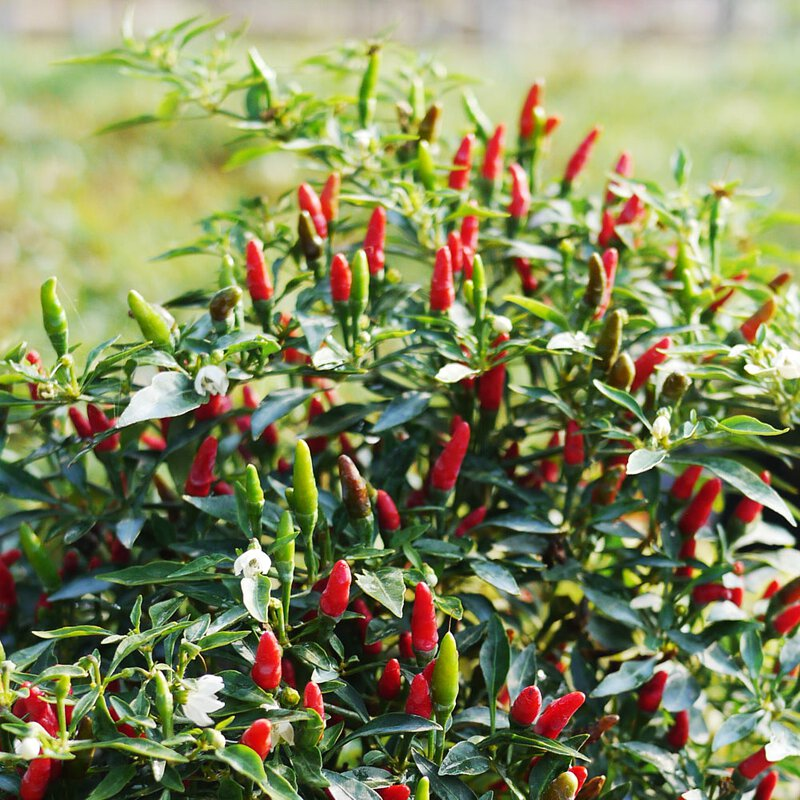
4. Proper Lighting for Healthy Growth
Peppers need at least 12-16 hours of light daily during their vegetative and flowering stages. Our advanced LED grow lights are engineered to mimic natural sunlight, making them perfect for both indoor soil and hydroponic gardens. Browse our full range of grow lights for peppers.
5. Watering and Feeding
Keep the soil evenly moist but not waterlogged. Overwatering can lead to root rot. For hydroponic setups, ensure the nutrient solution is balanced and refreshed regularly. Essential nutrients include nitrogen, phosphorus, potassium, calcium, and magnesium.
6. Managing Pests and Diseases
Common pepper pests include aphids, spider mites, and whiteflies. Use organic insecticides or introduce beneficial insects like ladybugs. Keep an eye out for fungal diseases such as powdery mildew, especially in humid environments.
7. Harvesting Your Peppers
Peppers are ready to harvest when they reach their mature size and color. Gently twist or cut the peppers from the plant to avoid damage.
Conclusion
Growing peppers can be a fulfilling project for gardeners of all skill levels. With the right tools and techniques, you can enjoy a bountiful harvest of fresh peppers year-round. Ready to elevate your pepper-growing game? Explore our selection of LED grow lights and accessories to get started.
By incorporating the latest gardening technologies, such as LED grow lights and hydroponic systems, you can enjoy a thriving pepper garden no matter the season.


