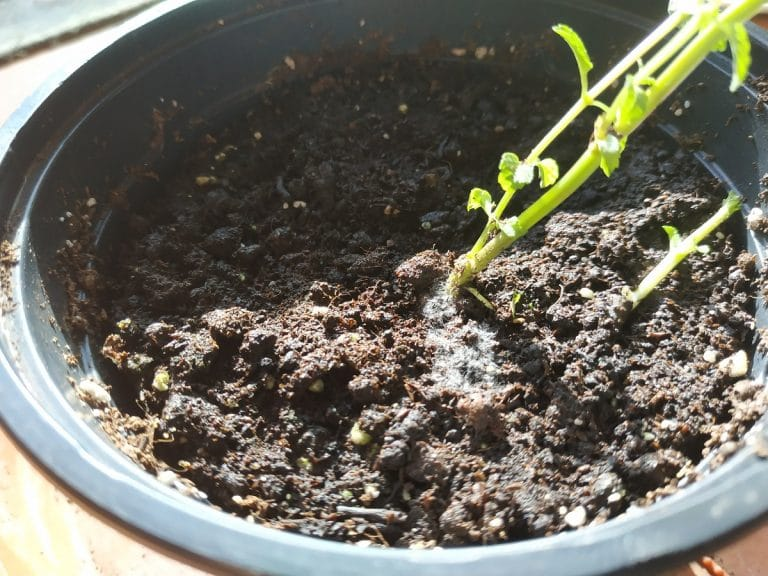
Indoor plants bring greenery and fresh air into our homes, but sometimes, white or fuzzy mold appears on the soil, causing concern for plant owners. While soil mold is generally harmless, it can indicate underlying issues that may affect plant health. In this guide, we’ll explore the common causes of moldy soil and how to prevent it.
1. Overwatering and Poor Drainage
One of the main reasons for mold growth is excessive moisture. Overwatering creates a damp environment where mold and fungi thrive. If the soil remains wet for too long, it promotes fungal growth, leading to a white, powdery appearance on the surface.
Solution:
- Water only when the top inch of soil is dry.
- Use pots with drainage holes to prevent water from sitting at the bottom.
- Consider adding perlite or sand to improve soil aeration.
2. Poor Air Circulation
Stagnant air contributes to mold growth by trapping excess humidity around the plant. Without proper airflow, moisture lingers in the soil, creating ideal conditions for fungal spores to spread.
Solution:
- Place plants in a well-ventilated area.
- Use a small fan to promote air circulation, especially in humid environments.
- Avoid overcrowding plants to allow proper airflow.
3. Low Light Conditions
Lack of sufficient light can slow down evaporation, keeping the soil damp for longer periods. Dark, humid environments encourage mold growth.
Solution:
- Move plants to a brighter location with indirect sunlight.
- Use EDKFARM LED grow lights to ensure your plants receive adequate light, especially in low-light rooms or during winter months. Our full-spectrum grow lights provide the perfect balance for healthy plant growth.
4. Organic Matter in Soil
Potting mixes rich in organic matter, such as peat moss and compost, can sometimes encourage fungal growth. While these materials are beneficial for plant nutrition, they also retain moisture, which can lead to mold problems.
Solution:
- Choose a high-quality, well-draining potting mix.
- Mix in activated charcoal to absorb excess moisture and prevent fungal growth.
5. High Humidity Levels
Indoor humidity levels above 60% can create an environment where mold thrives. Bathrooms, kitchens, and poorly ventilated rooms often have higher humidity, increasing the risk of moldy soil.
Solution:
- Use a dehumidifier in humid areas.
- Avoid misting plants too frequently.
- Increase ventilation in rooms with high humidity.
Is Soil Mold Harmful to Plants?
In most cases, the mold found on plant soil is harmless, but it can indicate excessive moisture, which may lead to root rot. If left untreated, the damp conditions can weaken plants and invite pests like fungus gnats.
Final Thoughts
Preventing mold in indoor plant soil is all about maintaining the right balance of moisture, airflow, and lighting. By following these simple steps and using EDKFARM LED grow lights, you can create an optimal environment for your plants to thrive.
For more plant care tips and high-quality grow lights, visit EDKFARM today!


